Join the AI Workshop and learn to build real-world apps with AI. A hands-on, practical program to level up your skills.
I assume you created a Vite app, perhaps a React app using
npm create vite@latest the-app-name

# or

bun create vite the-app-name
Let’s add Tailwind CSS to style our application.
Install Tailwind CSS and its Vite plugin:
npm install tailwindcss @tailwindcss/vite

# or

bun add tailwindcss @tailwindcss/vite
Add the @tailwindcss/vite plugin to your Vite configuration in vite.config.ts:
import { defineConfig } from 'vite'
import react from '@vitejs/plugin-react'
import tailwindcss from '@tailwindcss/vite'

// https://vite.dev/config/
export default defineConfig({
  plugins: [
    react(),
    tailwindcss()
  ],
})
Add this at the top of src/index.css to use the new import syntax:
@import "tailwindcss";Tailwind v4 auto-detects your content, so you don’t need a tailwind.config.* file unless you want to customize the theme or add plugins.
Now Tailwind CSS is ready to use in our project.
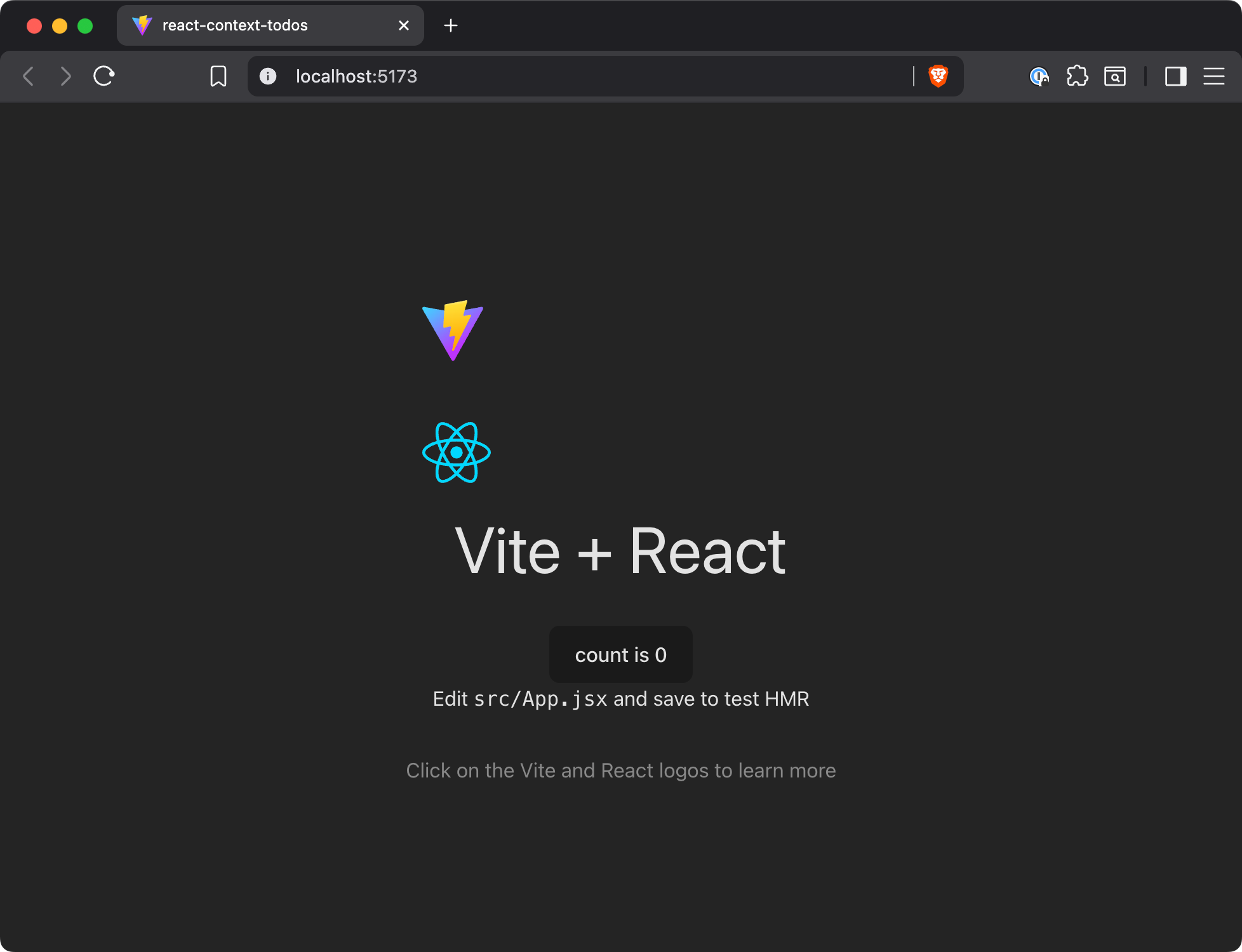
You’ll see the layout is now a bit off, that’s a sign that Tailwind is configured, because it’s adding preflight styles: