Join the AI Workshop and learn to build real-world apps with AI. A hands-on, practical program to level up your skills.
Let’s say I’m in the Finder, I open a folder and I want to open it in VS Code.
What do I do? I typically move to the parent, grab that folder, and drop it into the VS Code icon in the Dock.
Or I go to the terminal and type code .
But today I invested some time into making this process much easier, with a button in the Finder toolbar:
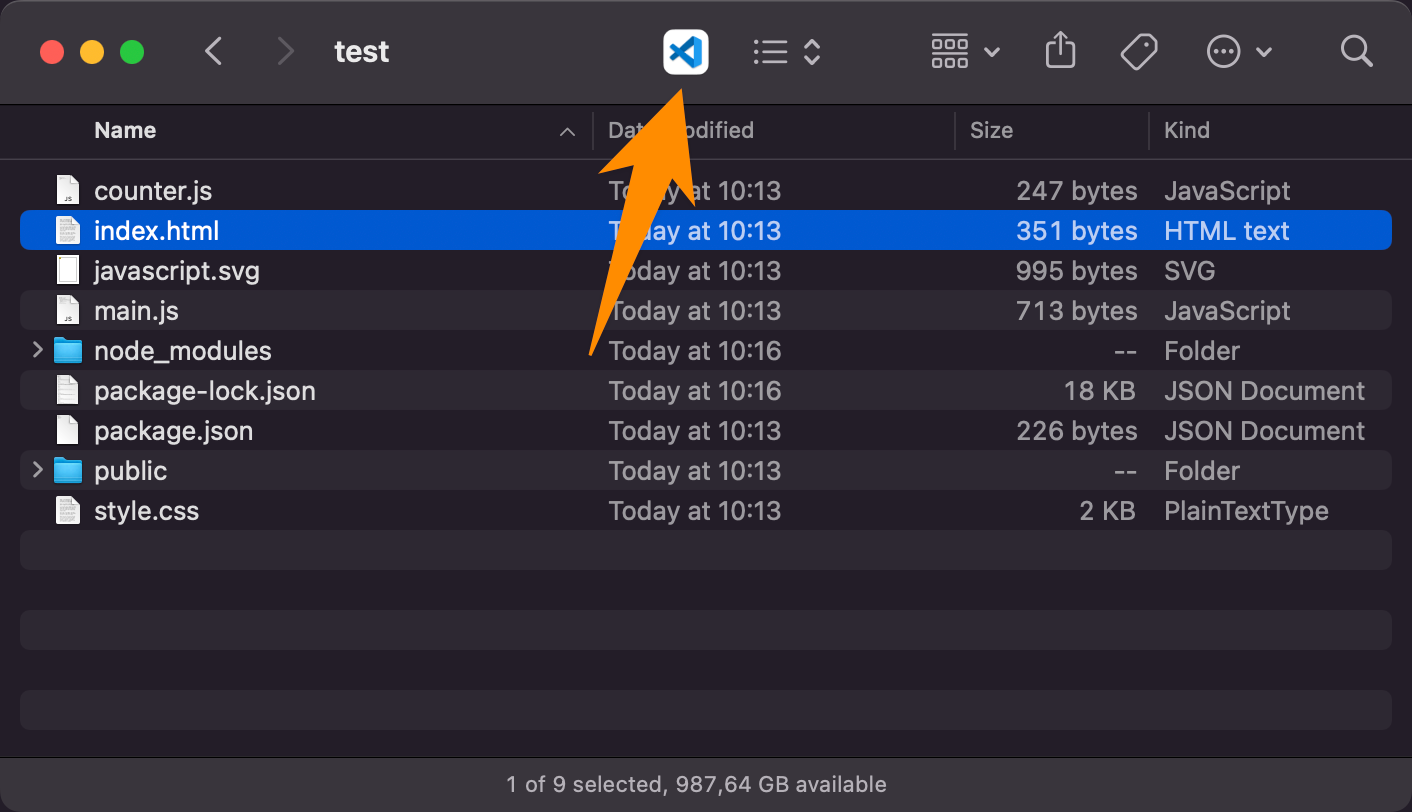
Here’s how you can do that too.
Open Automator. Pick “Application”
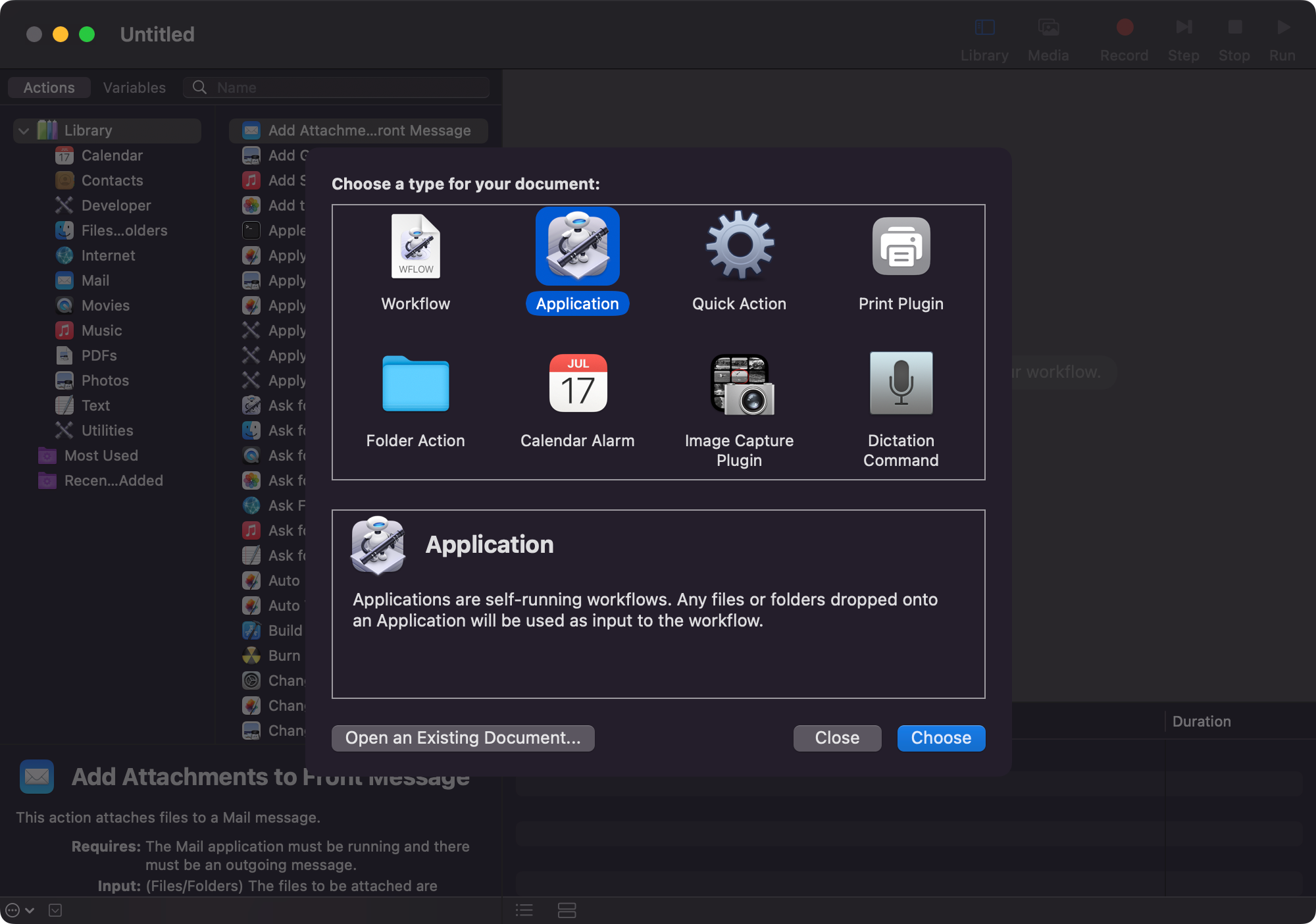
Search for “Run Shell Script” in the list of actions, and paste these 2 lines:
finderPath=`osascript -e 'tell application "Finder" to get the POSIX path of (target of front window as alias)'`
open -n -a "Visual Studio Code" --args "$finderPath"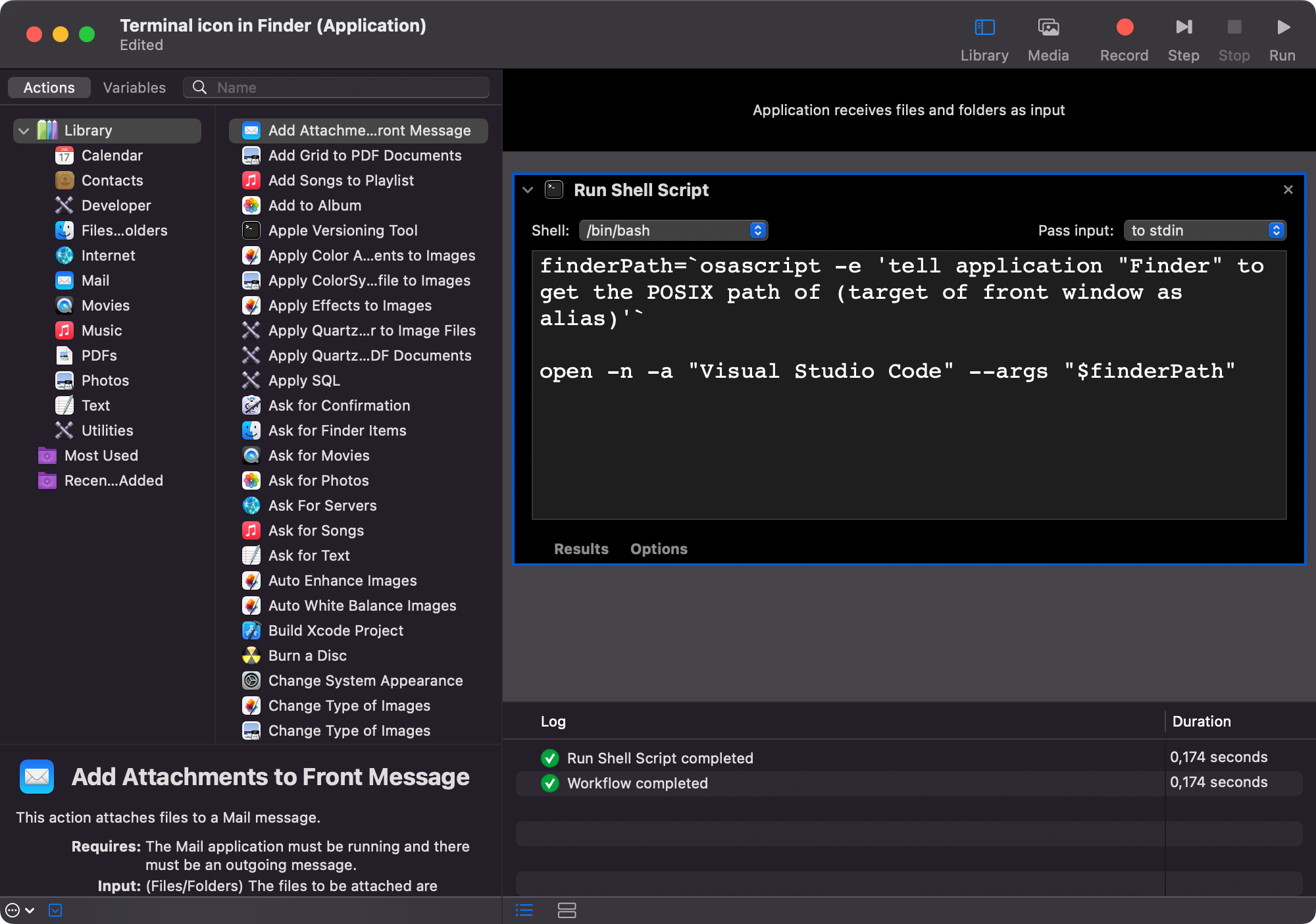
If you prefer you can use the bundle ID of the app:
finderPath=`osascript -e 'tell application "Finder" to get the POSIX path of (target of front window as alias)'`
open -n -b "com.microsoft.VSCode" --args "$finderPath"
The first runs osascript (which runs AppleScript) with the following AppleScript:
tell application "Finder" to get the POSIX path of (target of front window as alias)which basically gets the absolute path of the currently open folder.
Then we assign that to the shell variable finderPath and we use that with the open command to tell VS Code to open that folder.
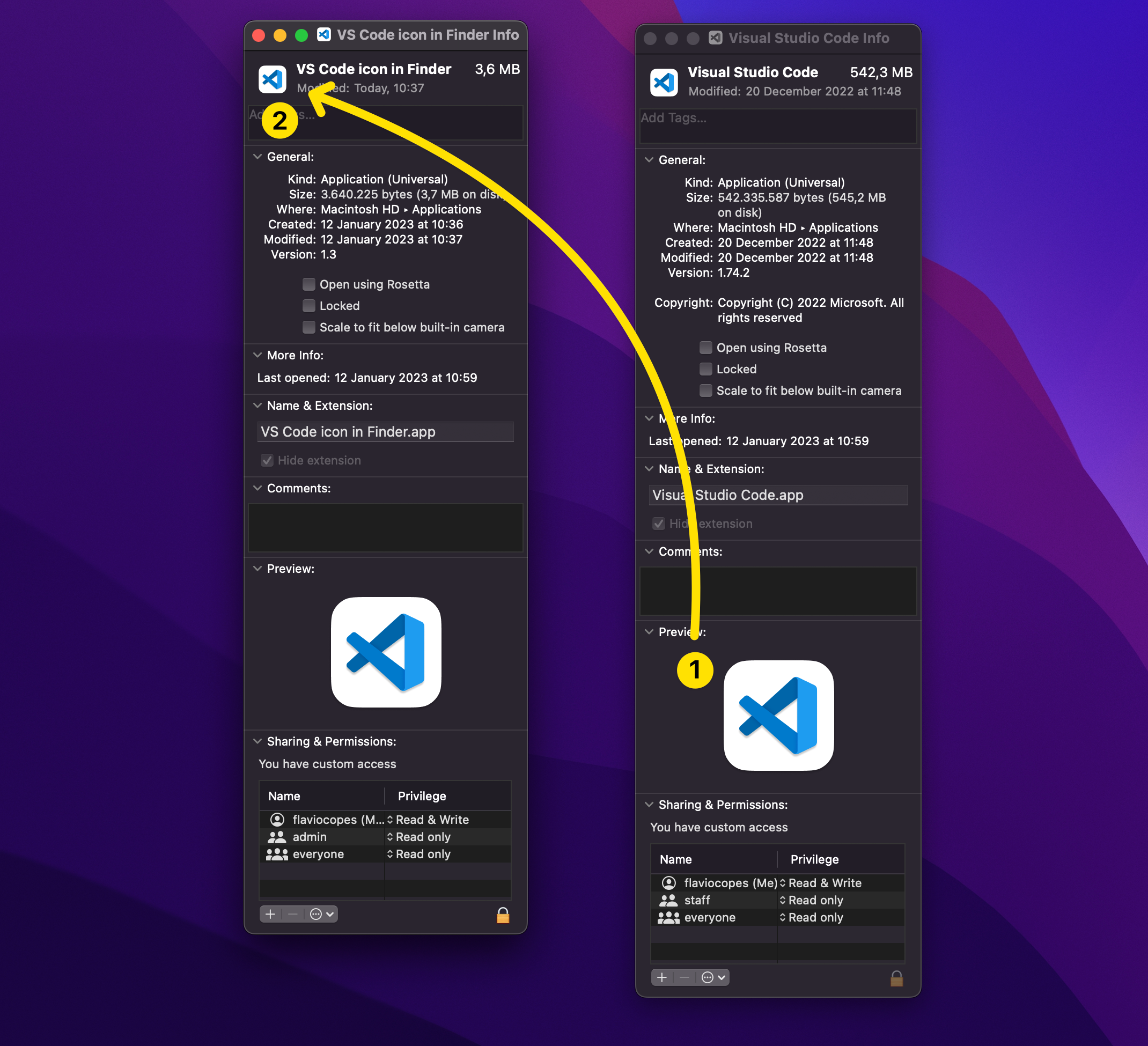
Save this application in the Applications folder and then click Get info to change its icon.
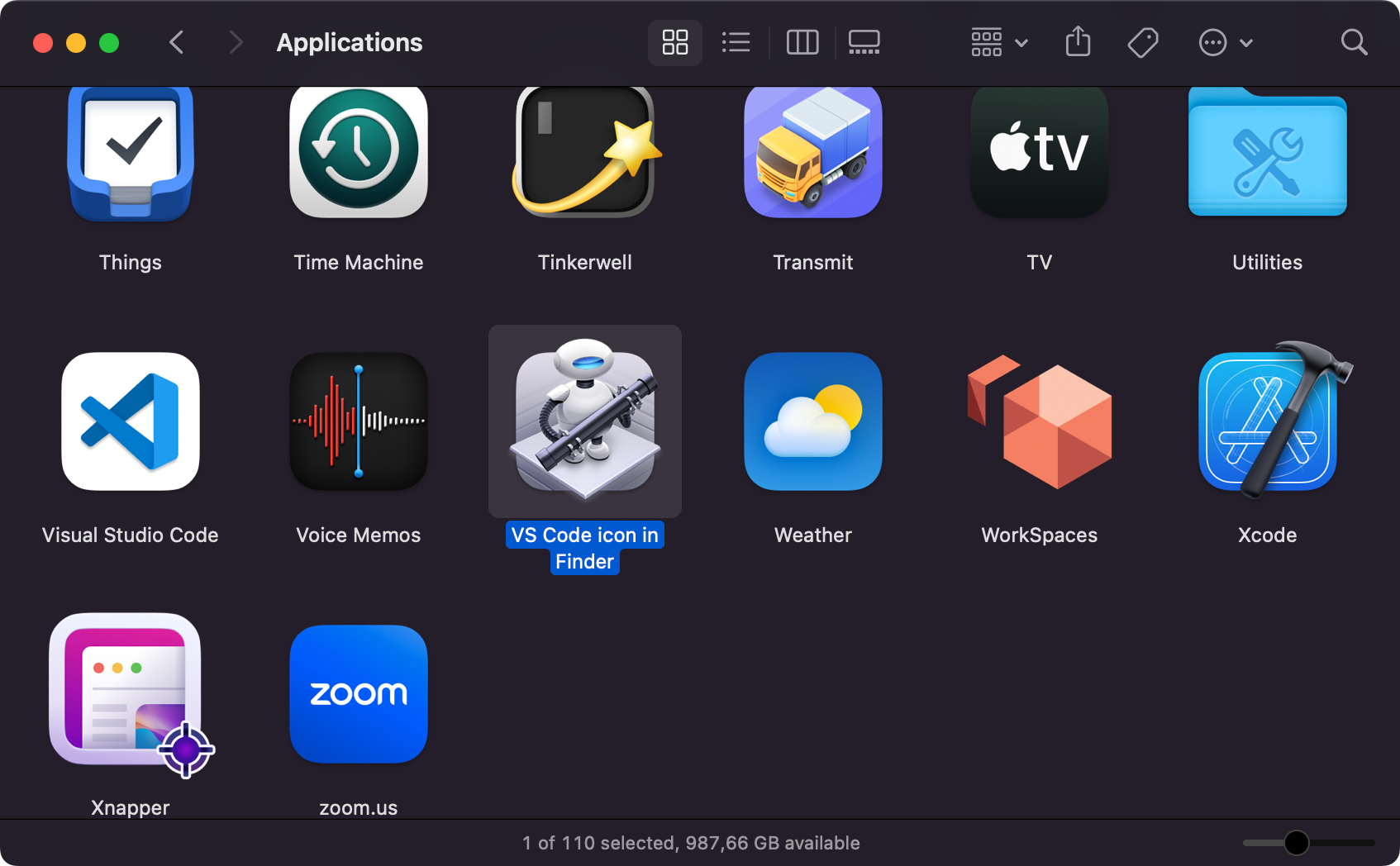
You can open Get Info on VS Code too, and drag the VS Code icon to the top-left small icon to assign that icon to our new little app.
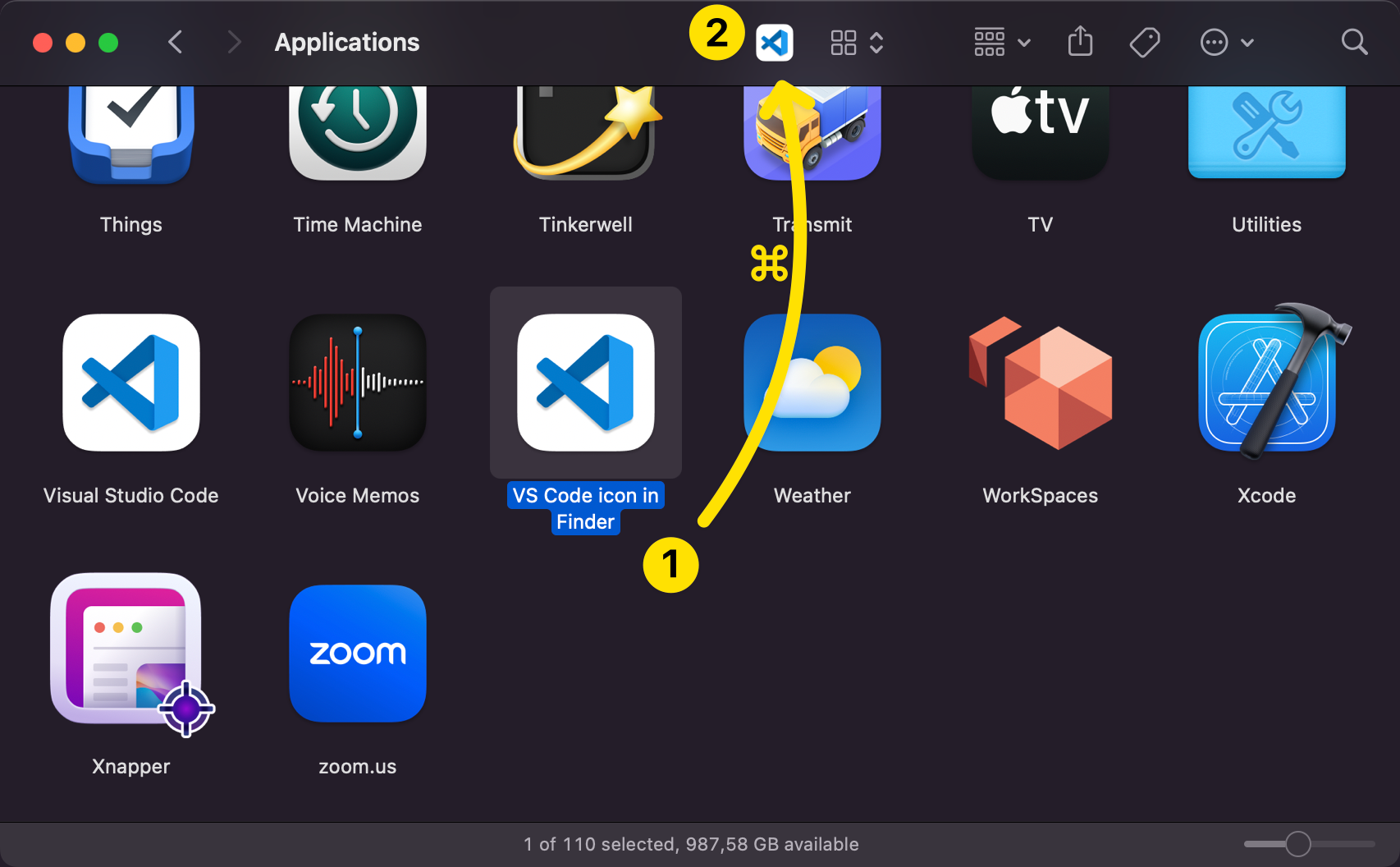
Finally, keep the ⌘ command key pressed and drag the app in the Finder toolbar.
That’s it!