Join the AI Workshop and learn to build real-world apps with AI. A hands-on, practical program to level up your skills.
The echo command does one simple job: it prints the argument passed to it to the output.
This example:
echo "hello"will print hello to the terminal.
We can append the output to a file:
echo "hello" >> output.txtWe can interpolate environment variables:
echo "The path variable is $PATH"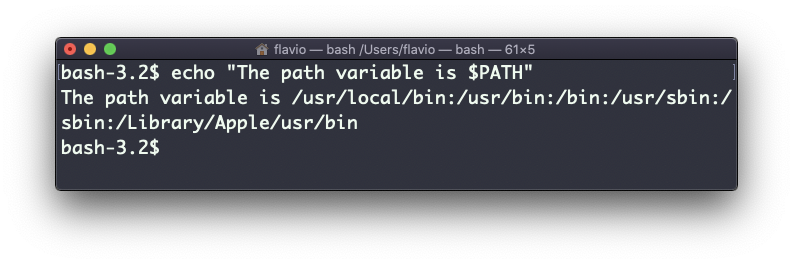
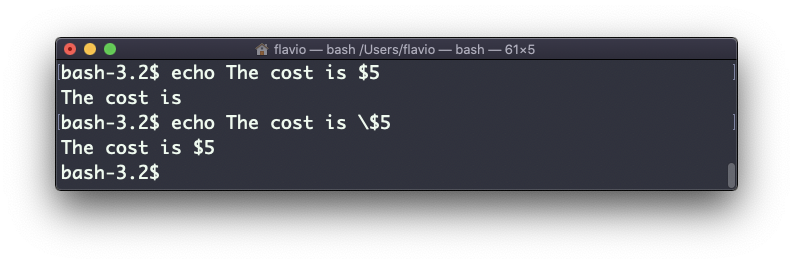
Beware that special characters need to be escaped with a backslash \. $ for example:
This is just the start. We can do some nice things when it comes to interacting with the shell features.
We can echo the files in the current folder:
echo *We can echo the files in the current folder that start with the letter o:
echo o*Any valid Bash (or any shell you are using) command and feature can be used here.
You can print your home folder path:
echo ~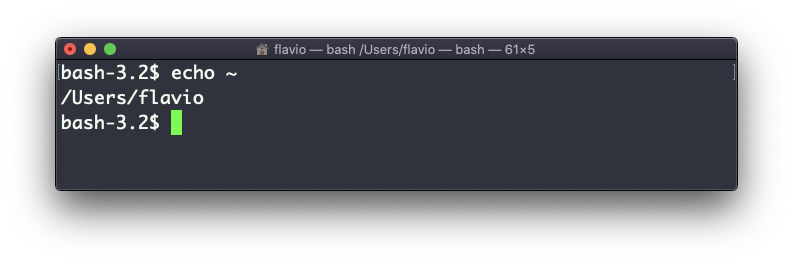
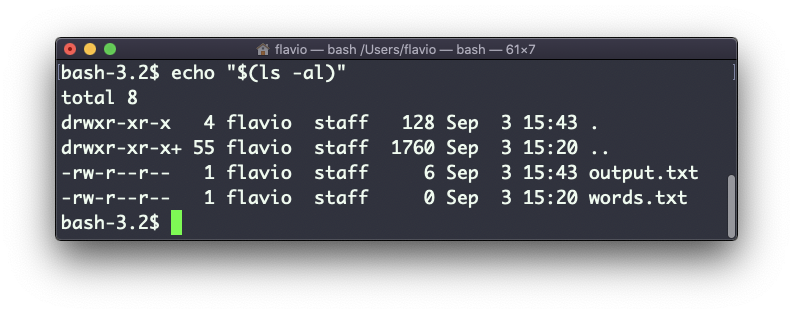
You can also execute commands, and print the result to the standard output (or to file, as you saw):
echo $(ls -al)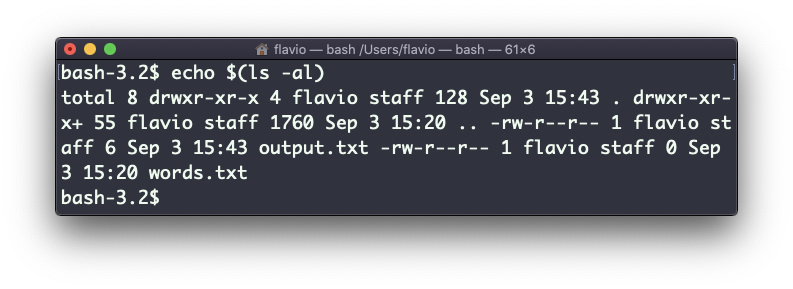
Note that whitespace is not preserved by default. You need to wrap the command in double quotes to do so:
You can generate a list of strings, for example ranges:
echo {1..5}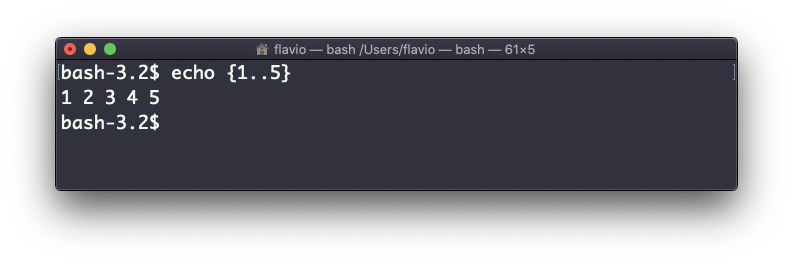
The
echocommand works on Linux, macOS, WSL, and anywhere you have a UNIX environment